


MiDFUN Product Module / SPC
Statistical process control for production and supplier quality visibility
SPC helps teams monitor process stability, capability, and abnormal trends so quality teams can respond before variation becomes shipment risk.
Best Fit
- Control-chart monitoring for production lines
- Supplier process-quality visibility
- Capability review for critical dimensions
Key Capabilities
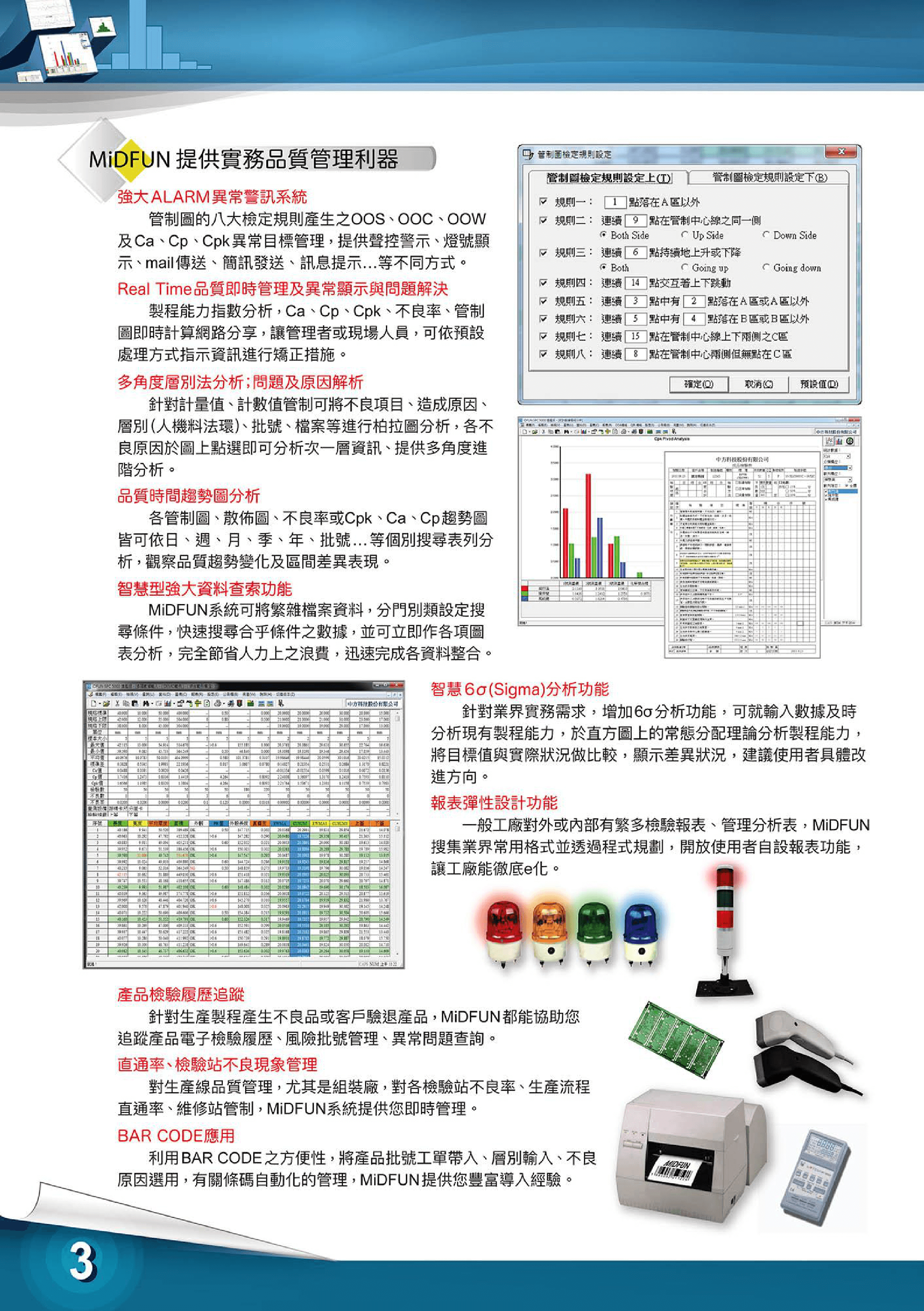
- Control charts, alarms, and abnormality review
- Cp/Cpk and process capability analysis
- Trend visibility for line, product, supplier, or station data
QRP Data Flow
SPC converts measurement and inspection results into process signals that can feed corrective action, supplier review, and management dashboards.
SPC Software for Supplier Quality Visibility
Statistical Process Control Software for Supplier Quality Visibility
MiDFUN SPC helps manufacturers collect measurement data automatically, monitor control charts in real time, detect process drift and mean shifts, and provide audit-ready quality evidence for global QA, SQE, and supplier quality teams.
Through API integration and MiDFUN SQM workflows, selected SPC indicators can support authorized supplier quality visibility for global OEM customers, brand owners, and system manufacturers.
Why Global OEMs, Brand Owners, and System Manufacturers Need Supplier Quality Visibility
AI infrastructure, semiconductor, electronics, automotive, and precision manufacturing supply chains are facing tighter quality expectations from downstream customers. When quality requirements move upstream, suppliers need more than manual spreadsheets. They need a controlled system that can prove how data is collected, how abnormal conditions are detected, and how process capability is evaluated.
MiDFUN SPC is designed for this environment. It supports real-time quality control from IQC and IPQC to OQC, connects measurement data with production context, and gives quality teams a consistent way to communicate process status across factories, suppliers, customer audits, and authorized brand-customer review.
For Brand Customers and OEMs
Review selected supplier control points, capability trends, and abnormality status through permission-based visibility designed with the customer.
For SQE Teams
Track lot-to-lot drift, mean shifts, control chart signals, Cpk/Ppk trends, and corrective action linkage across supplier programs.
For Manufacturing Sites
Replace delayed paper checks with real-time alerts, automated reports, and traceable quality records.
Integration Proof: From SPC Signals to Supplier Quality Action
Modern supplier quality programs are moving from monthly report review to near-real-time visibility around critical control points. MiDFUN SPC provides the statistical process control data foundation; MiDFUN SQM provides standard supplier management, permission, audit, and follow-up workflows. When required, selected SPC indicators can be integrated through API workflows for authorized OEM, brand-owner, or system-manufacturer review.
1. SPC Signal
Detect drift and shifts
Track lot trends, Cpk/Ppk movement, control chart signals, and abnormal process patterns.
2. Process Context
Connect the evidence
Link measurement values with lot, station, instrument, supplier, operator, and inspection item.
3. Authorized Visibility
Share selected control points
Design permission-based views for supplier, SQE, OEM, and brand-customer review.
4. Closed-Loop Action
Move from alert to follow-up
Connect SPC abnormalities with SQM, 8D, CAR, QIR, and supplier quality workflows.
Core Capabilities
Real-Time Control Charts
Monitor X̄-R, X̄-S, I-MR, median-R, p, np, c, u, CUSUM, EWMA, and pre-control charts. Use control chart signals and trend views to investigate drift, shifts, and unusual process patterns before quality escapes expand.
Process Capability Analysis
Calculate and review Cp, Cpk, Pp, Ppk, Cpm, and Cw/Cwk indicators. MiDFUN supports capability analysis as part of a broader stability review rather than treating the index as an isolated number.
Automated Measurement Data Collection
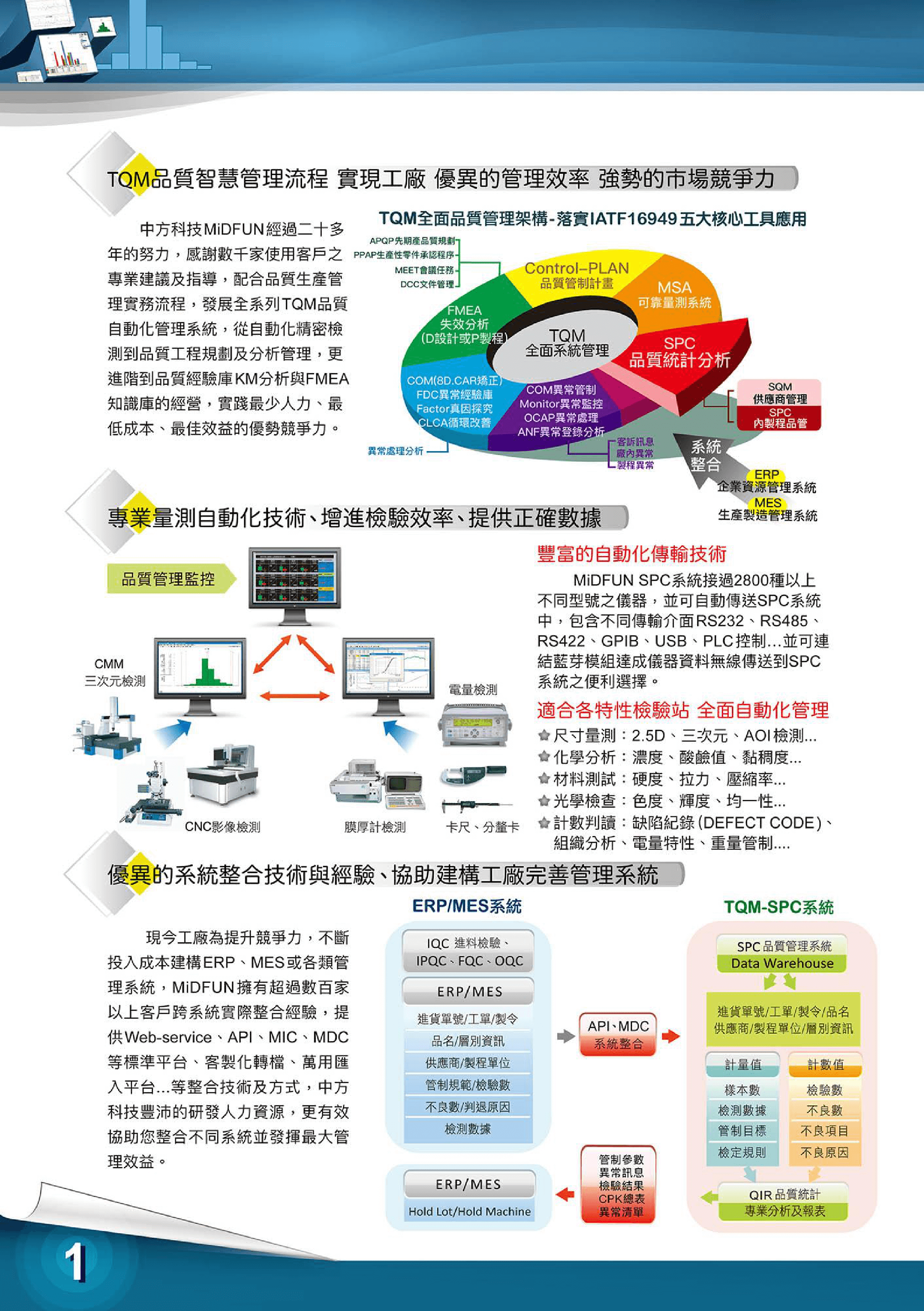
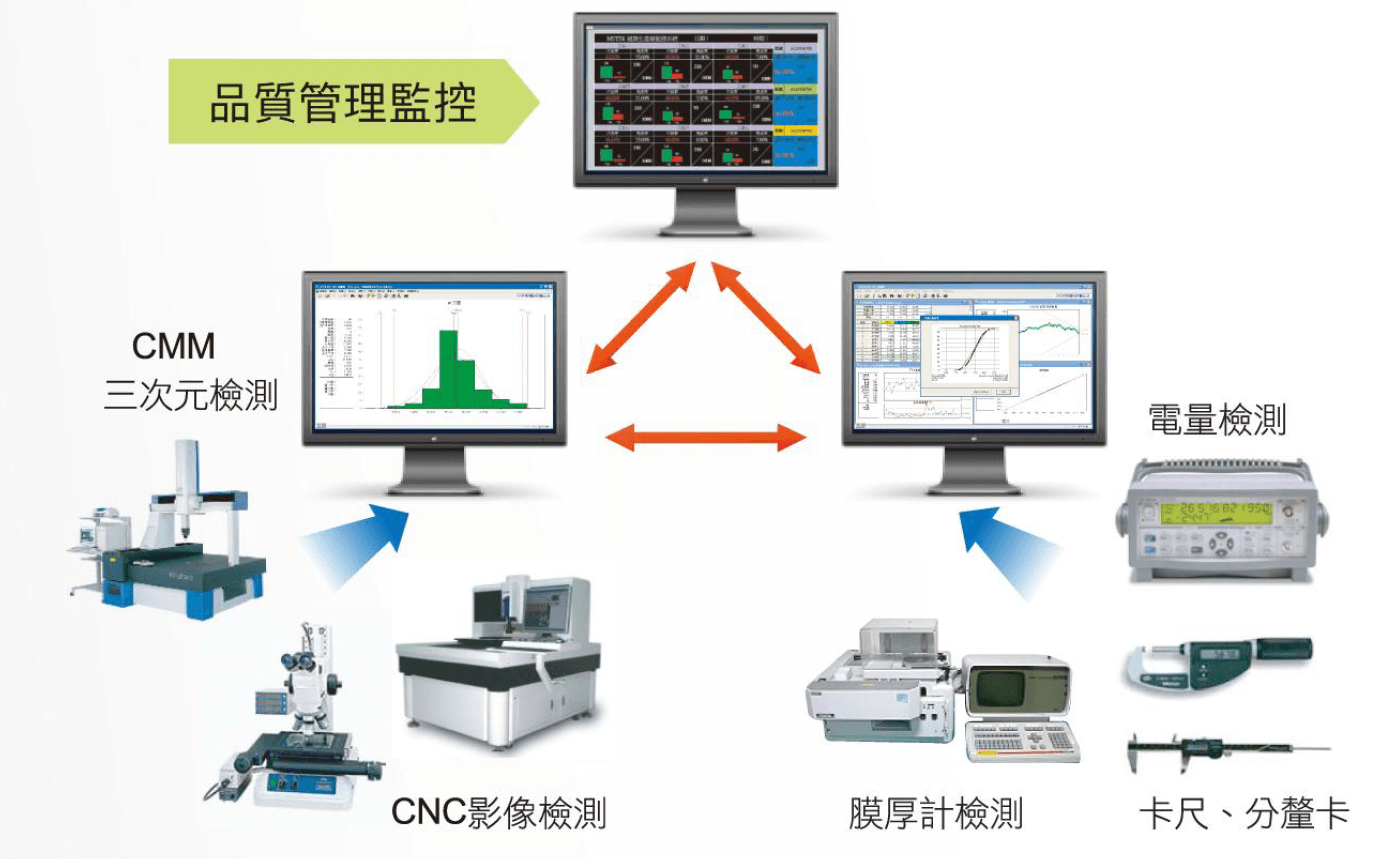
Connect inspection stations and measurement instruments through interfaces such as RS-232, RS-485, TCP/IP, USB, OPC-UA, and file import workflows. Reduce manual entry errors and improve data trust.
Enterprise Quality Integration
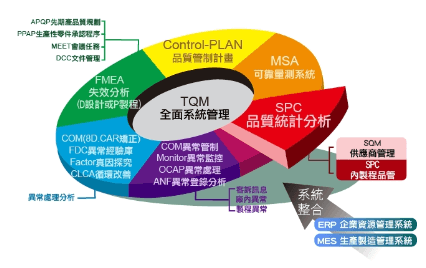
Link SPC data with ERP, MES, PLM, LIMS, SQM, FMEA, control plan, 8D, CAR, and QIR reporting workflows. SPC visibility can be integrated through API projects, while SQM provides standard supplier management and permission workflows.
Product Video: Automated Instrument Data Collection
From IQC to OQC: Real-Time Quality Monitoring
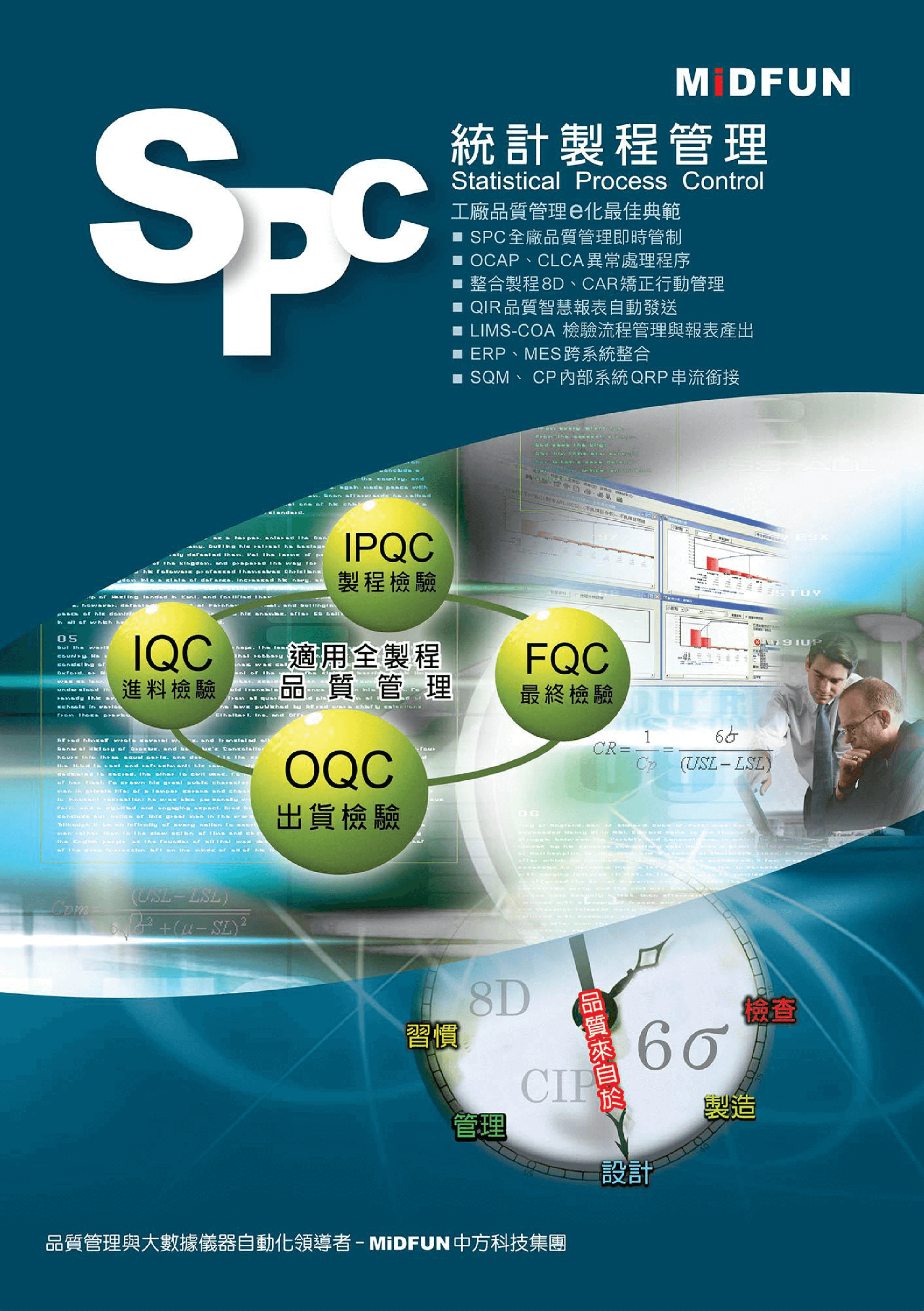
MiDFUN SPC supports a complete quality control flow from incoming inspection to in-process and outgoing inspection. Quality teams can monitor process behavior, identify abnormal trends, and manage corrective actions before quality escapes reach downstream operations or customers.
- Real-time SPC monitoring across factory quality checkpoints.
- OCAP and CLCA workflows for abnormality response.
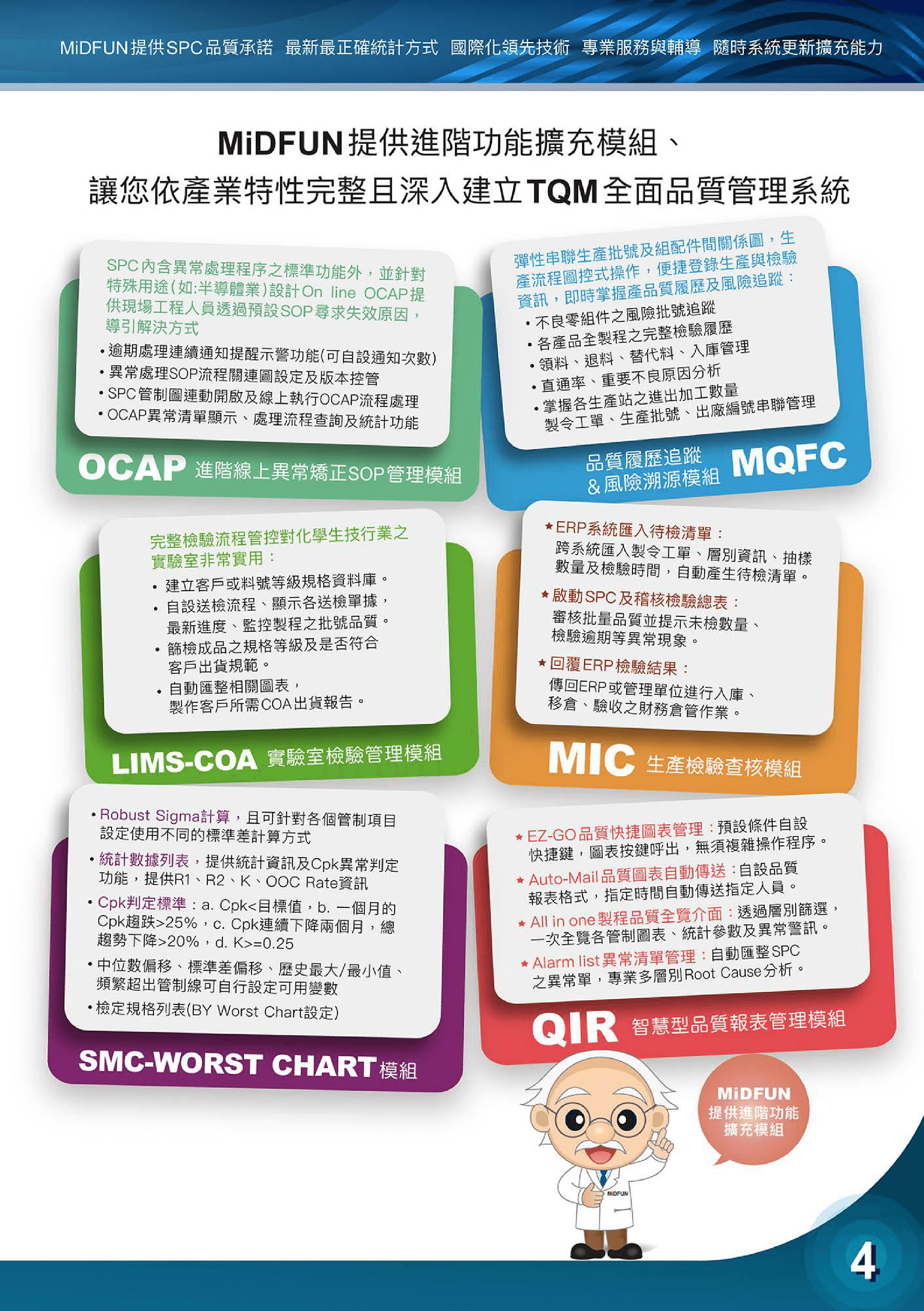
- Integration with 8D, CAR, and quality improvement reports.
- Cross-system integration with ERP, MES, SQM, and control plan workflows.
- Permission-based supplier quality visibility can be designed around selected control points through SQM and API-integrated dashboard workflows.
Automated Instrument Connectivity
For global quality programs, data credibility begins at the measurement source. MiDFUN SPC helps inspection stations transfer measurement results directly into SPC workflows, reducing transcription errors and preserving traceability between the instrument, characteristic, lot, process, and operator.
| Connection Scenario | Typical Use |
|---|---|
| CMM, caliper, micrometer, hardness tester | Dimensional and material inspection data collection. |
| AOI, optical inspection, coating thickness, profile measurement | High-volume inspection stations and automated quality data capture. |
| CSV, Excel, OPC-UA, TCP/IP, serial interfaces | Legacy equipment, automated production lines, and gradual digital transformation. |
SPC Standards and AIAG/VDA Transition Readiness
MiDFUN tracks AIAG, VDA, IATF 16949, and enterprise audit expectations so quality teams can prepare data models, chart-selection logic, stability review workflows, and capability reporting governance with care.
For the 2026 SPC transition, final customer reporting rules should follow the released manual, organization requirements, and customer-specific requirements. Detailed interpretation of Cpk/Ppk terminology and Cw/Cwk diagnostic use is better handled in a technical article rather than overloading the product page.
Industry Applications
MiDFUN SPC is used in quality environments where inspection data must be reliable, repeatable, and reviewable by customers. This includes semiconductor, electronics manufacturing, PCB, connectors, automotive components, chemical materials, metal processing, molding, and precision assembly.
Technical Specifications
Engineering, IT, and equipment teams can review supported standards, chart types, instrument interfaces, and integration scope here.
| Supported standards | ISO 9001, IATF 16949, AIAG SPC, AIAG & VDA SPC transition preparation, cGMP quality environments |
|---|---|
| Control charts | X̄-R, X̄-S, I-MR, median-R, p, np, c, u, CUSUM, EWMA, pre-control |
| Capability indicators | Cp, Cpk, Pp, Ppk, Cpm, Cw/Cwk diagnostic review |
| Instrument interfaces | RS-232, RS-485, TCP/IP, USB, OPC-UA, CSV, Excel, and customized data acquisition workflows |
| System integration | ERP, MES, PLM, LIMS, SQM, FMEA, control plan, 8D, CAR, QIR; SPC visibility through API integration projects |
| Supplier visibility | Customer-defined views for selected control points can be designed with SQM permission workflows and dashboard integration. |
| Deployment | On-premise or private cloud, depending on customer IT and data governance requirements |
Recommended Reading for Global QA Teams
FAQ
What is SPC software?
SPC software is a manufacturing quality system that uses statistical process control methods, including control charts and process capability analysis, to monitor whether a process remains stable and capable over time.
Who should use MiDFUN SPC?
MiDFUN SPC is suitable for manufacturers, supplier quality teams, SQE organizations, and factory quality teams that need real-time control charts, automated measurement data collection, and audit-ready quality records.
How does MiDFUN SPC help global suppliers?
It helps suppliers show controlled process data, stable measurement flows, abnormality response records, capability analysis evidence, and selected control-point status when customers raise supplier quality requirements.
Can OEM or brand customers view supplier process status?
Yes, when the customer chooses to open permission-based access. SPC data can be integrated through API workflows, and SQM provides standard supplier management and permission workflows. Each program can define which control points, lots, suppliers, and quality items are visible to authorized OEM, brand-owner, or system-manufacturer reviewers.
Can MiDFUN SPC help detect lot-to-lot drift or process shifts?
Yes. MiDFUN SPC supports control charts, process capability trends, and stratified review by lot, station, instrument, supplier, or process context. These views help engineers investigate drift, mean shifts, and abnormal patterns before problems expand.
Does MiDFUN SPC support IATF 16949 requirements?
MiDFUN SPC supports IATF 16949 quality environments by helping teams manage SPC evidence, control chart records, process capability studies, traceability, and corrective action linkage.
Can MiDFUN SPC connect to existing measurement instruments?
Yes. MiDFUN SPC can connect with many types of measurement instruments and inspection stations through serial, network, file-import, and customized integration workflows.
Build Supplier Quality Visibility for Global Customers
Talk with MiDFUN about SPC implementation, API integration, SQM supplier workflows, automated measurement data collection, and dashboard-ready quality evidence.