



Pei-Chi Chiu | April 1, 2026
Complete Guide to SPC Control Chart Types: How to Choose the Right Control Chart for Your Process
About This Article
SPC (Statistical Process Control) control charts are a core tool for quality monitoring in manufacturing. Different data characteristics need to be paired with different types of control charts to be effective. This article systematically introduces more than 10 control charts across three major categories — variables charts, attributes charts, and advanced control charts — and provides a practical selection decision flowchart to help quality engineers quickly find the control chart best suited to their process. For more SPC system features, please see the MiDFUN SPC product page.
Basic Principles of Control Charts
The control chart was proposed by Walter A. Shewhart in the 1920s and is a graphical tool that uses statistical methods to monitor process stability. Every control chart contains three key lines:
- UCL (Upper Control Limit): center line + 3 times the standard deviation (σ)
- CL (Center Line): the process mean or target value
- LCL (Lower Control Limit): center line – 3σ
This is the so-called 3σ principle: when a process is in a state of statistical stability, about 99.73% of data points will fall between the UCL and the LCL. A point that exceeds the control limits is called OOC (Out of Control), indicating that the process may have experienced special-cause variation.
Western Electric Rules
In addition to a single point exceeding the control limits, the AIAG-VDA standard also defines several stability decision rules (also known as the Nelson Rules or Western Electric Rules), used to detect non-random data patterns. Common rules include:
- Rule 1: a single point beyond the 3σ control limits
- Rule 2: 9 consecutive points on the same side of the center line
- Rule 3: 6 consecutive points steadily increasing or decreasing
- Rule 4: 14 consecutive points alternating up and down
- Rule 5: 2 out of 3 consecutive points beyond 2σ
- Rule 6: 4 out of 5 consecutive points beyond 1σ
- Rule 7: 15 consecutive points within the 1σ range (stratification)
These rules can issue an early warning before a process has fully gone out of control, and are the key mechanism for achieving preventive quality management. For more details on SPC decision rules, please see SPC: Modern Quality Automation Control Charts and Analysis.
Variables Charts
Variables charts are suitable for measurable continuous data, such as length, weight, temperature, and concentration. They carry richer information than attributes charts and can detect process variation earlier.
X̄-R Chart (Average-Range Chart)
Applicable scenario: subgroup size 2-10; it is the most commonly used control chart combination in manufacturing.
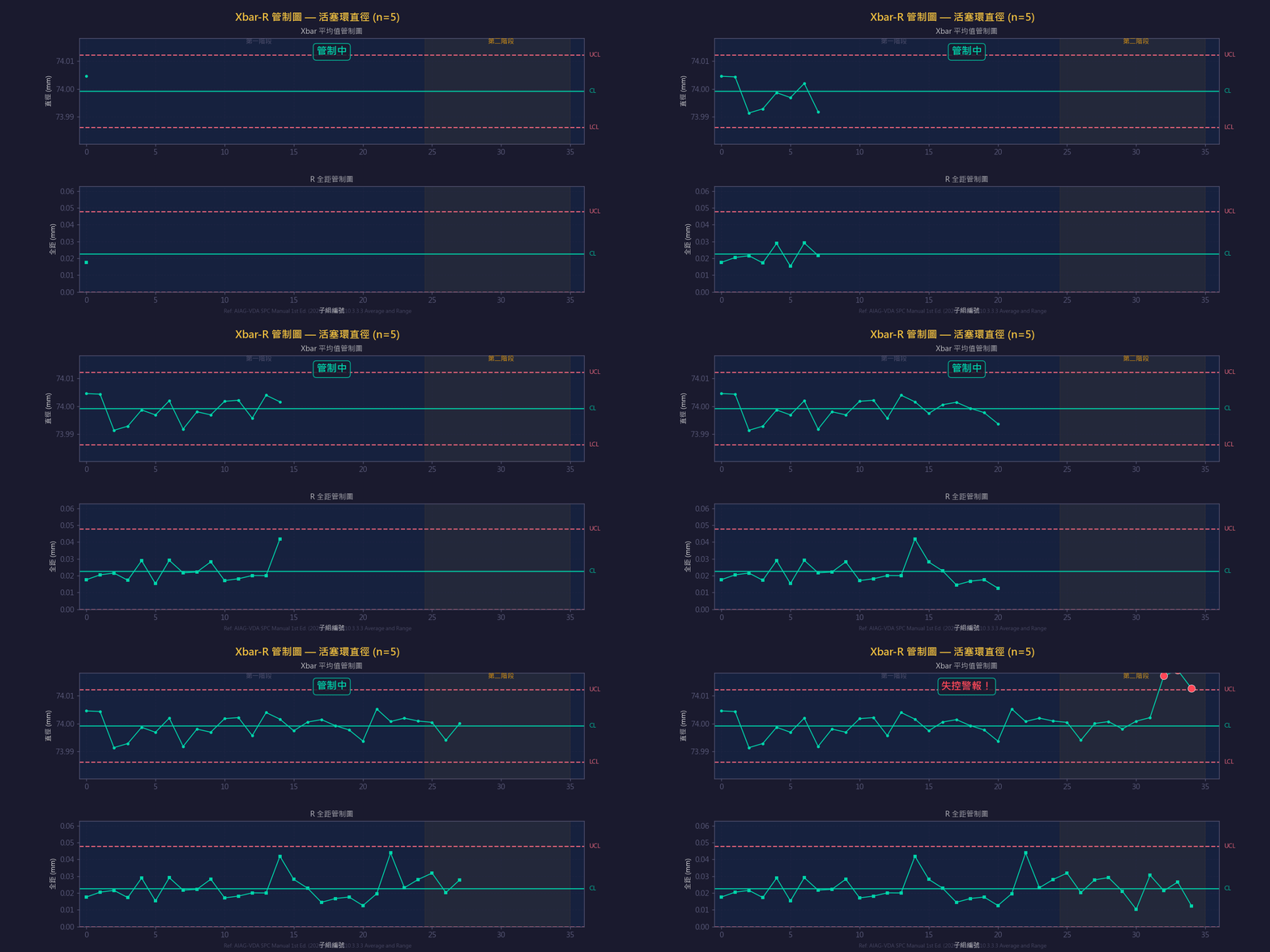
The X̄-R control chart consists of two charts: the X̄ chart monitors whether the process mean has shifted, while the R chart (Range) monitors whether process variation is stable. When interpreting, first look at the R chart to confirm that variation is stable, then look at the trend of the mean on the X̄ chart.
Overview of control limit calculation: for the X̄ chart, UCL = X̄̄ + A2 × R̄, LCL = X̄̄ – A2 × R̄; for the R chart, UCL = D4 × R̄, LCL = D3 × R̄. Here A2, D3, and D4 are constants looked up in a table according to subgroup size.
Advantages: simple to calculate, widely applicable, and familiar to engineers, making it an ideal first choice when initially implementing SPC.
X̄-S Chart (Average-Standard Deviation Chart)
Applicable scenario: used when the subgroup size exceeds 10.
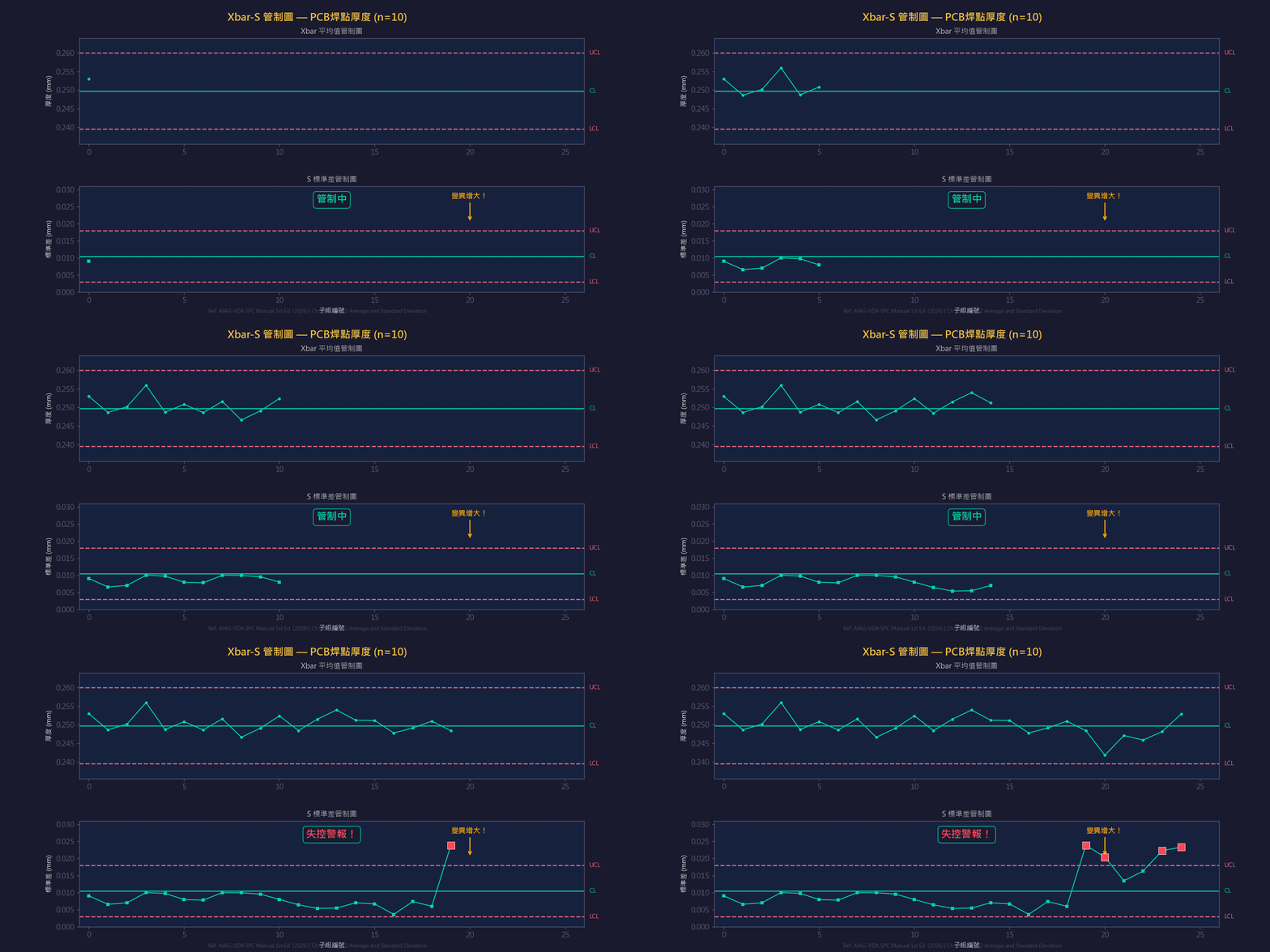
When the subgroup is large, the range R uses only two data points — the maximum and minimum values — wasting the information in between. The X̄-S control chart uses the standard deviation S instead of the range R to measure within-subgroup variation, which is statistically more efficient. In automated measurement systems, computers can easily calculate the standard deviation, so the use of X̄-S is becoming more and more common.
I-MR Chart (Individuals-Moving Range Chart)
Applicable scenario: each sampling yields only a single data point (subgroup size = 1).
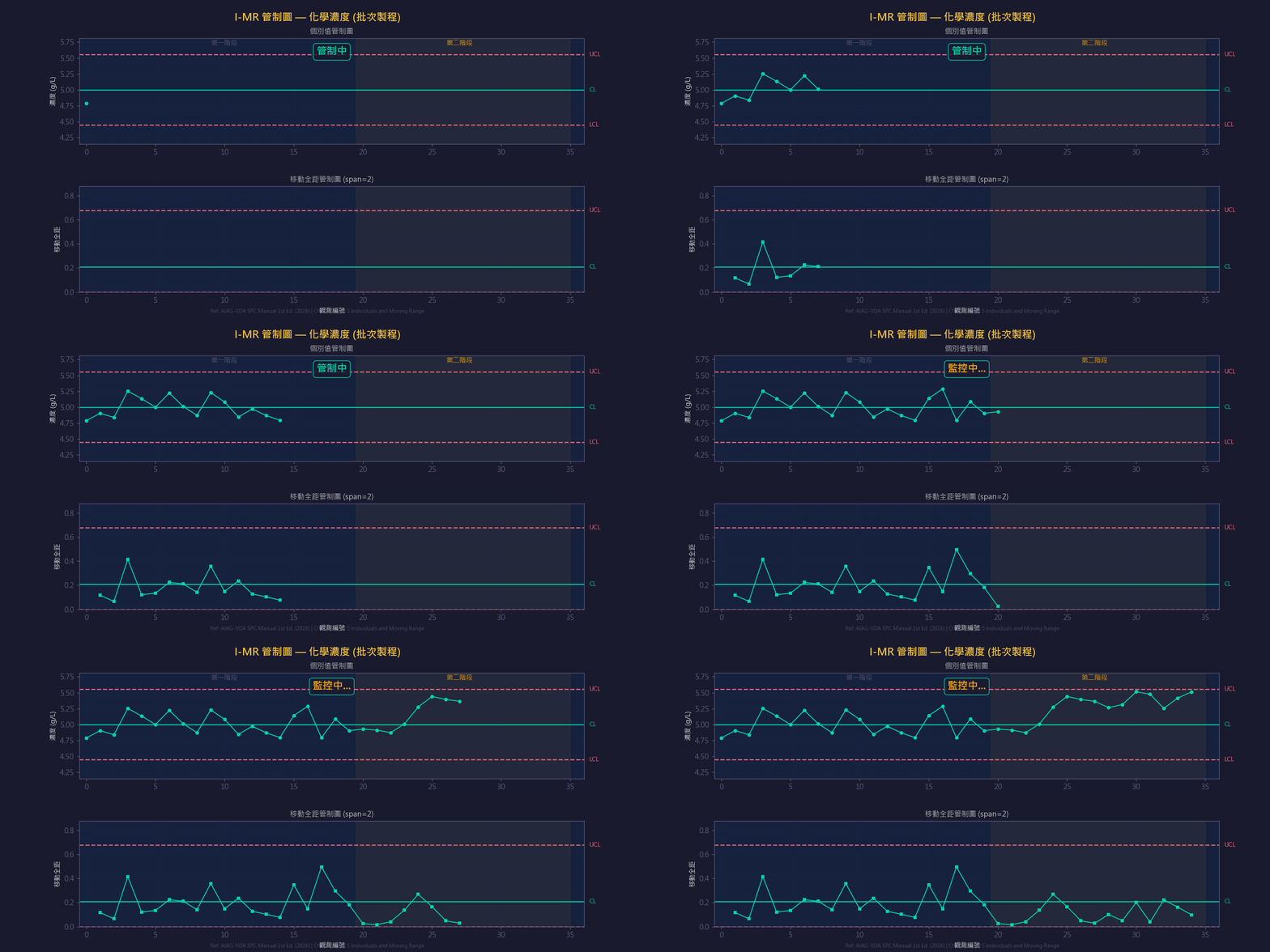
In scenarios such as chemical processes, batch production, and destructive testing, often only a single data point can be obtained per batch, making it impossible to form a subgroup. The I-MR control chart monitors the process using individual values (Individual, I) and the absolute difference between two adjacent points (Moving Range, MR).
For example, Chang Chun’s Arizona plant produces semiconductor electronic-grade chemicals, and the quality inspection data points per batch are limited. By using the I-MR control chart to monitor key quality parameters of each batch in real time, it successfully achieved a cross-border quality system transfer.
Note: the I-MR control chart assumes the data is normally distributed; when the data is clearly skewed, a transformation must be performed first or another method used instead.
Comparison of Variables Charts
| Chart Type | Subgroup Size | What Is Monitored | Applicable Scenario |
|---|---|---|---|
| X̄-R | 2-10 | Mean + range | Most general; machining, assembly, measurement |
| X̄-S | > 10 | Mean + standard deviation | Automated measurement, large-volume sampling |
| I-MR | 1 | Individual value + moving range | Chemical, batch production, destructive testing |
Attributes Charts
Attributes charts are suitable for discrete data, namely the number of nonconforming items or the number of defects. When quality characteristics cannot be measured as continuous values (such as appearance flaws or poor soldering), or when the sampling volume is large but precise individual measurement is uneconomical, attributes charts are the more practical choice.
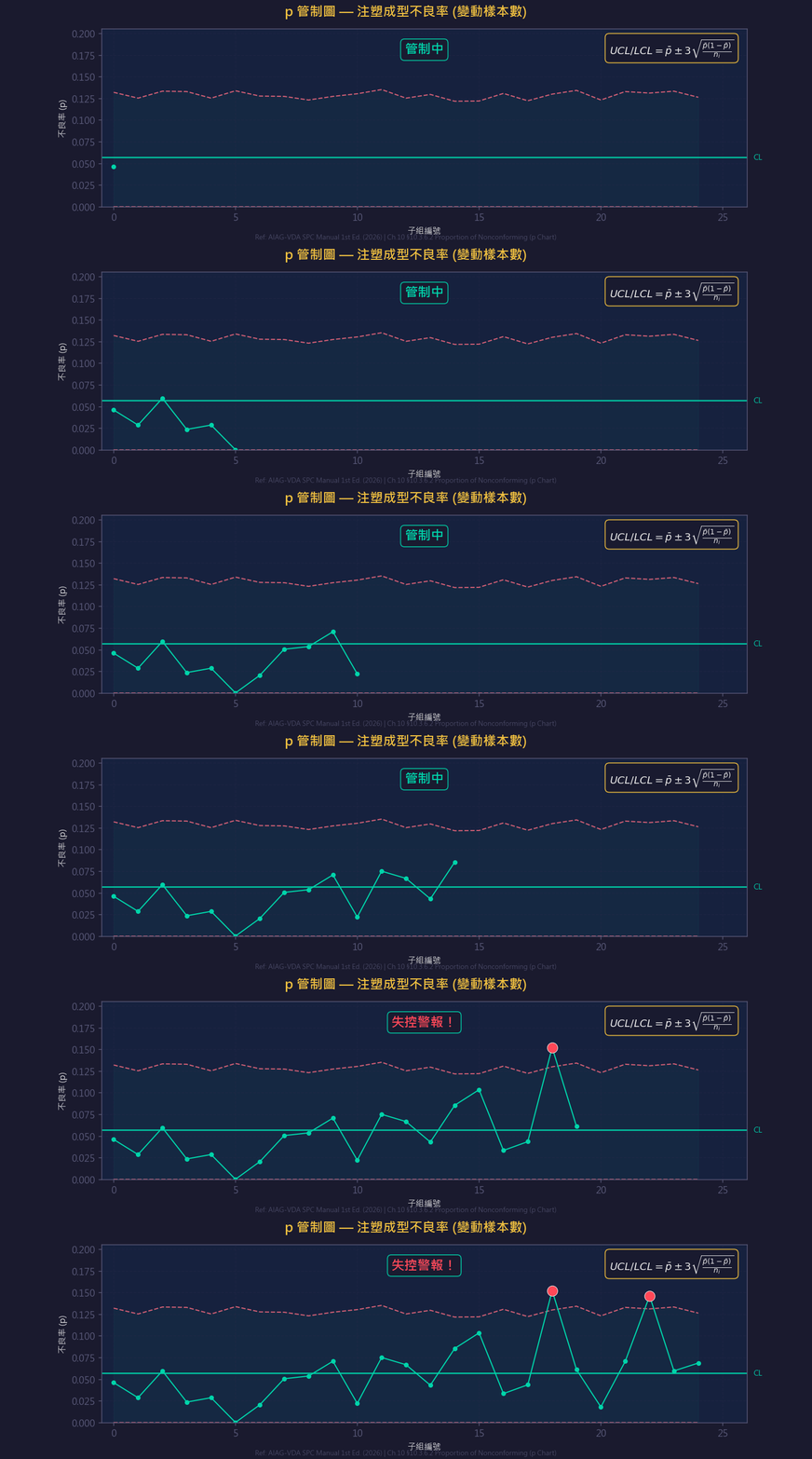
p Chart (Fraction Nonconforming Chart)
What is monitored: the proportion nonconforming.
Subgroup size: need not be fixed.
Typical application: the nonconformance rate of daily shipment lots; the pass rate of production-line patrol inspections.
The p chart is the most flexible among the attributes charts, because it uses a ratio (number nonconforming / number inspected) as the plotted value, so it can be used even when the sample quantity differs each time. When the subgroup size varies, the control limits adjust accordingly.
np Chart (Number Nonconforming Chart)
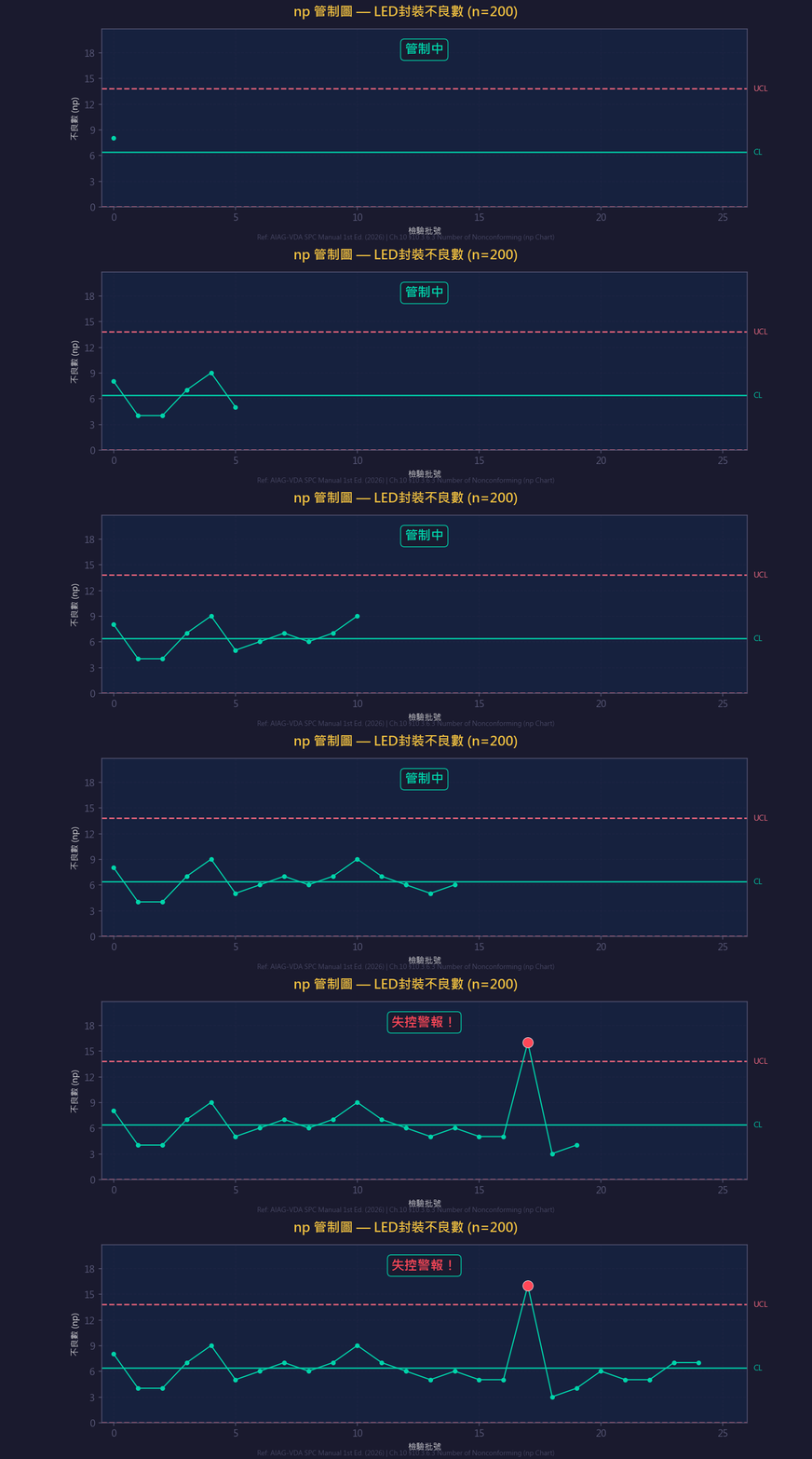
What is monitored: the number nonconforming.
Subgroup size: must be fixed.
Typical application: the number of appearance-inspection nonconformities in a fixed batch; the number of nonconforming items per hour.
The np chart plots the number of nonconforming items directly, which is more intuitive and easier to understand for shop-floor personnel, but the prerequisite is that the inspection quantity (subgroup size n) must be consistent each time.
c Chart (Count of Defects Chart)
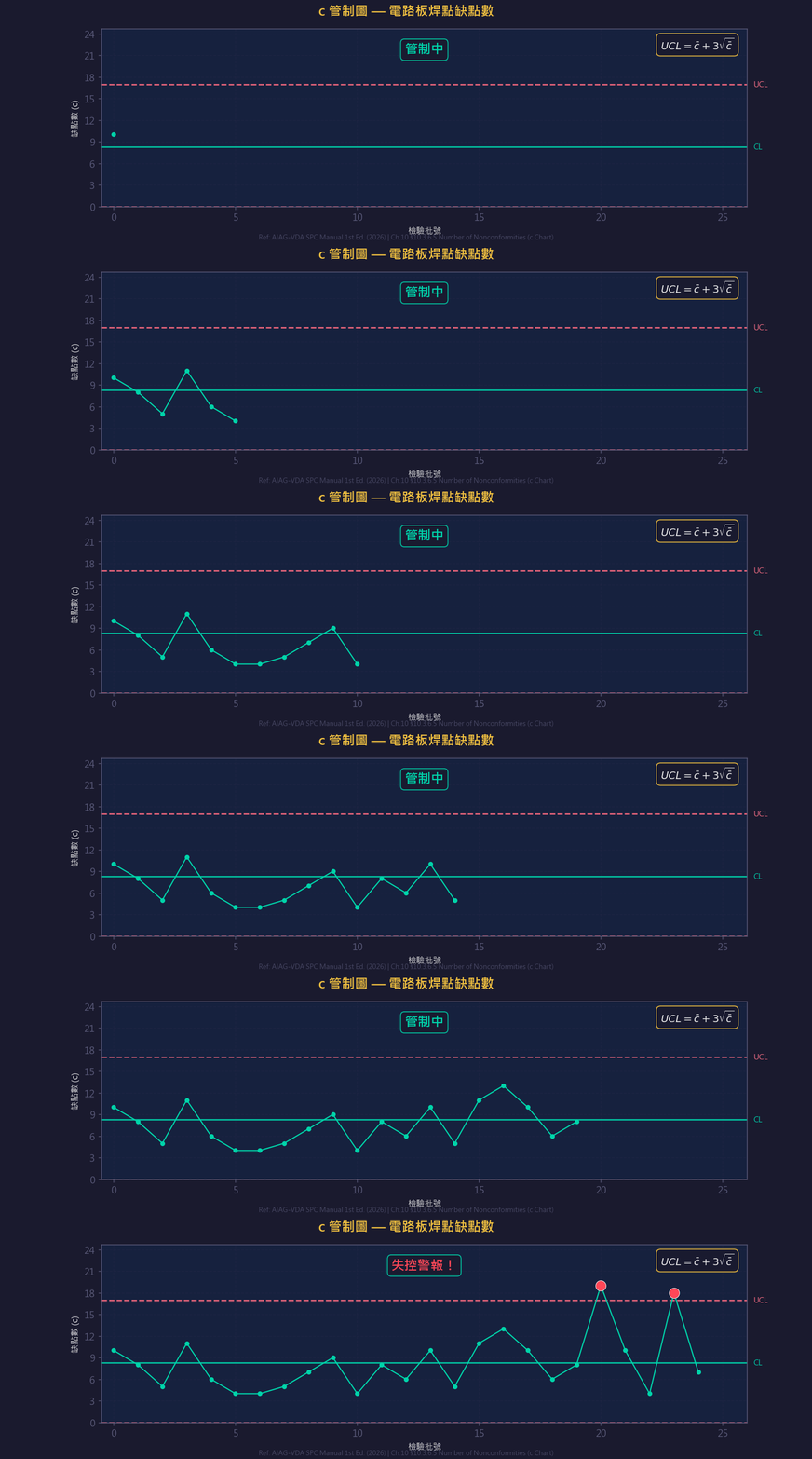
What is monitored: the number of nonconformities per inspection unit.
Subgroup size: the inspection unit is fixed.
Typical application: the number of soldering defects per PCB; the number of flaws per roll of fabric.
The difference between the c chart and p/np is that p/np look at “whether there is a nonconformity” (a binary decision), whereas c looks at “how many defects there are” (each product may have multiple defects). It is based on the Poisson distribution.
u Chart (Defects Per Unit Chart)
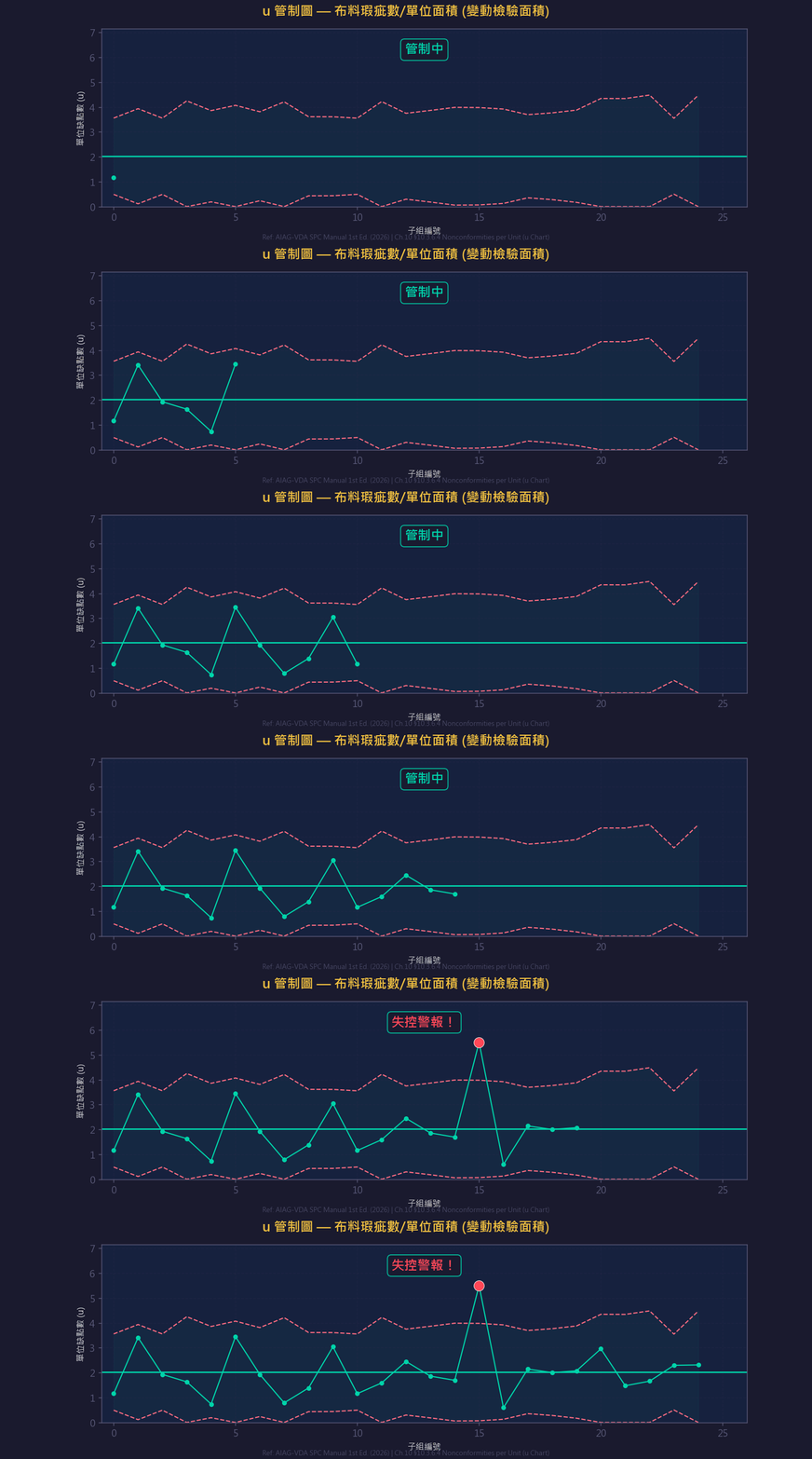
What is monitored: the number of defects per unit (nonconformities per unit).
Subgroup size: need not be fixed.
Typical application: the defect density of painted surfaces of different areas; the number of defects in cables of different lengths.
The u chart is an extended version of the c chart. When the number of inspection units (area, length, etc.) differs from one inspection to the next, u = c/n (number of defects / number of inspection units) is used to standardize it.
Comparison of Attributes Charts
| Chart Type | Data Type | Subgroup Size | Typical Application |
|---|---|---|---|
| p | Fraction nonconforming | Variable | Shipment-lot pass rate, patrol-inspection nonconformance rate |
| np | Number nonconforming | Fixed | Number of appearance nonconformities in a fixed batch |
| c | Count of defects | Fixed | Number of PCB solder-joint defects, number of fabric flaws |
| u | Defects per unit | Variable | Coating flaws over different areas, cable defect density |
Advanced Control Charts
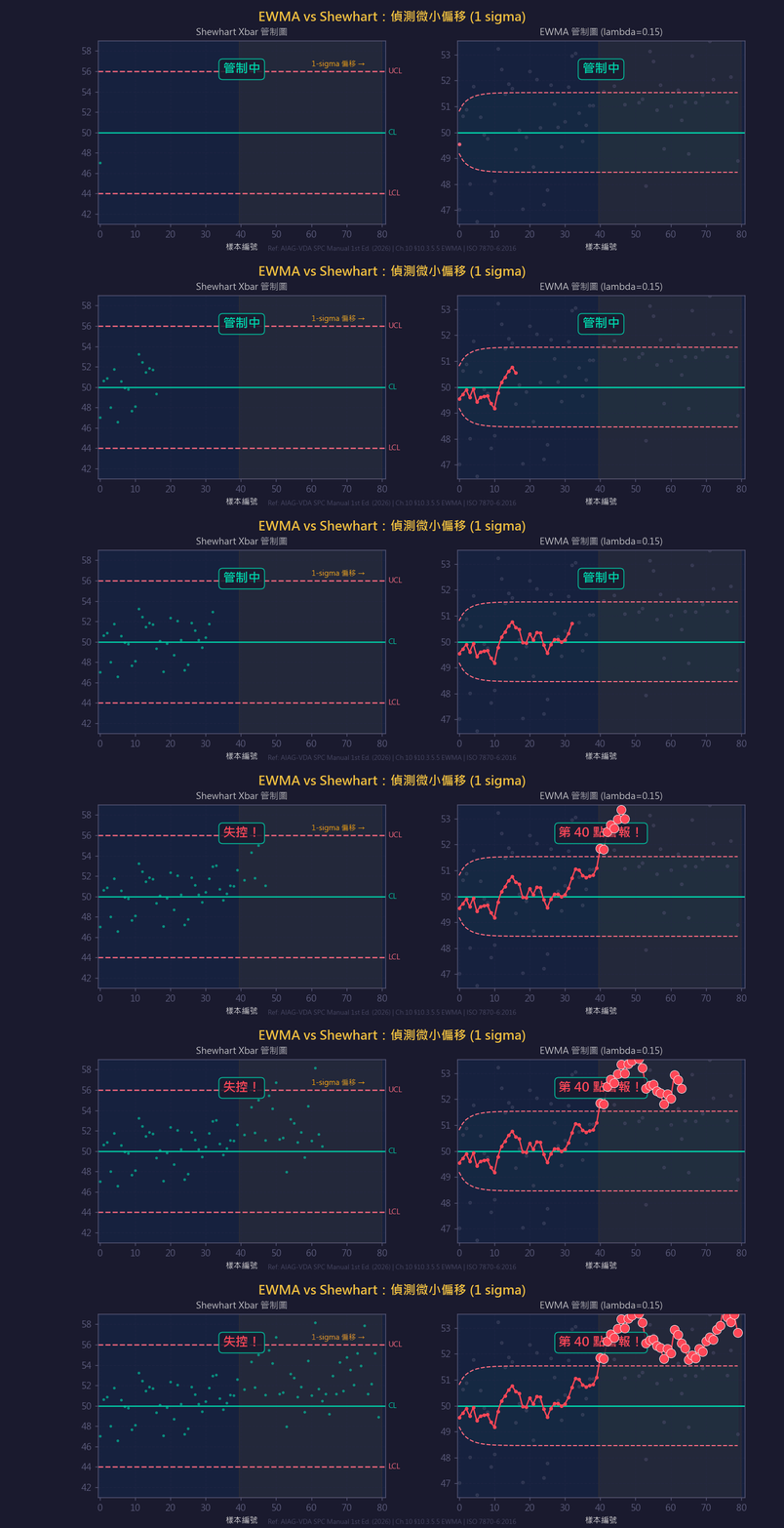
Traditional Shewhart control charts (such as X̄-R and I-MR) are effective at detecting large shifts, but respond more slowly to small process drifts (small shift). Advanced control charts greatly improve the ability to detect small shifts by accumulating or weighting historical data.
EWMA Chart (Exponentially Weighted Moving Average Chart)
The EWMA (Exponentially Weighted Moving Average) control chart applies exponential weighting to all historical data, giving recent data a higher weight while the weight of past data gradually decays. The core parameter is the weighting coefficient λ (usually set between 0.05 and 0.25); the smaller λ is, the longer the memory of historical data and the stronger the ability to detect small shifts.
Applicable scenario: high-precision processes that need to detect small process drifts of 0.5σ to 1.5σ, such as semiconductor thin-film thickness or chemical concentration control.
According to the AIAG & VDA SPC Yellow Volume (the new edition of the SPC reference manual jointly issued by AIAG and VDA, currently in the stakeholder review stage), EWMA is listed as an important option among advanced control tools and is recommended when traditional control charts cannot effectively detect small shifts. For more interpretation of the new edition of the manual, please see An Analysis of SPC in the New VDA Yellow Volume.
CUSUM Chart (Cumulative Sum Chart)
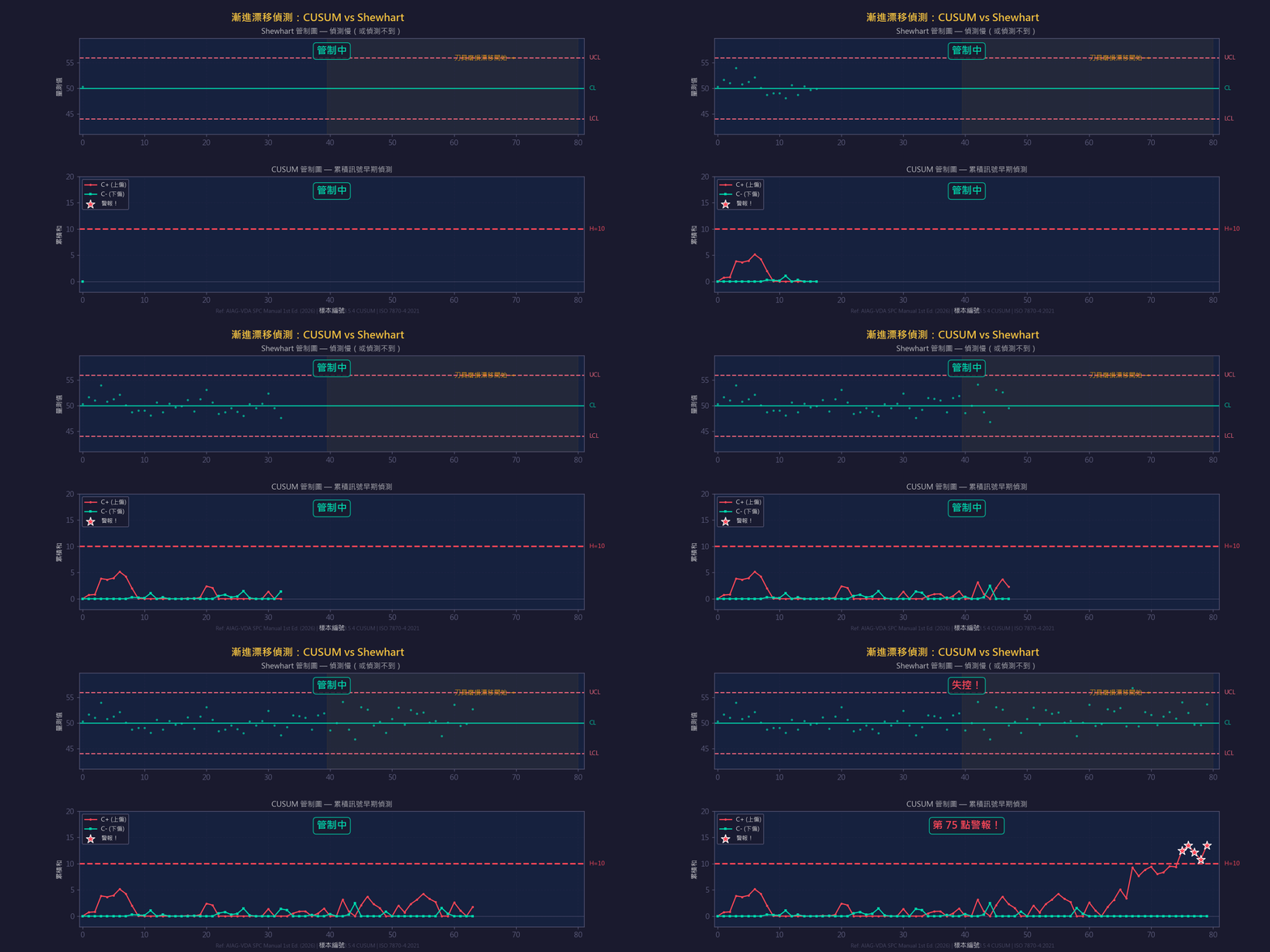
The CUSUM (Cumulative Sum) control chart accumulates the deviation of each data point from the target value. If the process keeps drifting in a certain direction, the cumulative sum will climb quickly and trigger an alarm. The core advantage of CUSUM is that even if the shift at each point is very small, as long as it keeps accumulating, it can effectively detect systematic drift.
Comparison with EWMA: CUSUM has excellent ability to detect a sustained one-directional shift (a lower ARL value), whereas EWMA is more balanced in detecting shifts in both directions. Both can be used for quality monitoring in high-mix, low-volume production.
Pre-control Chart
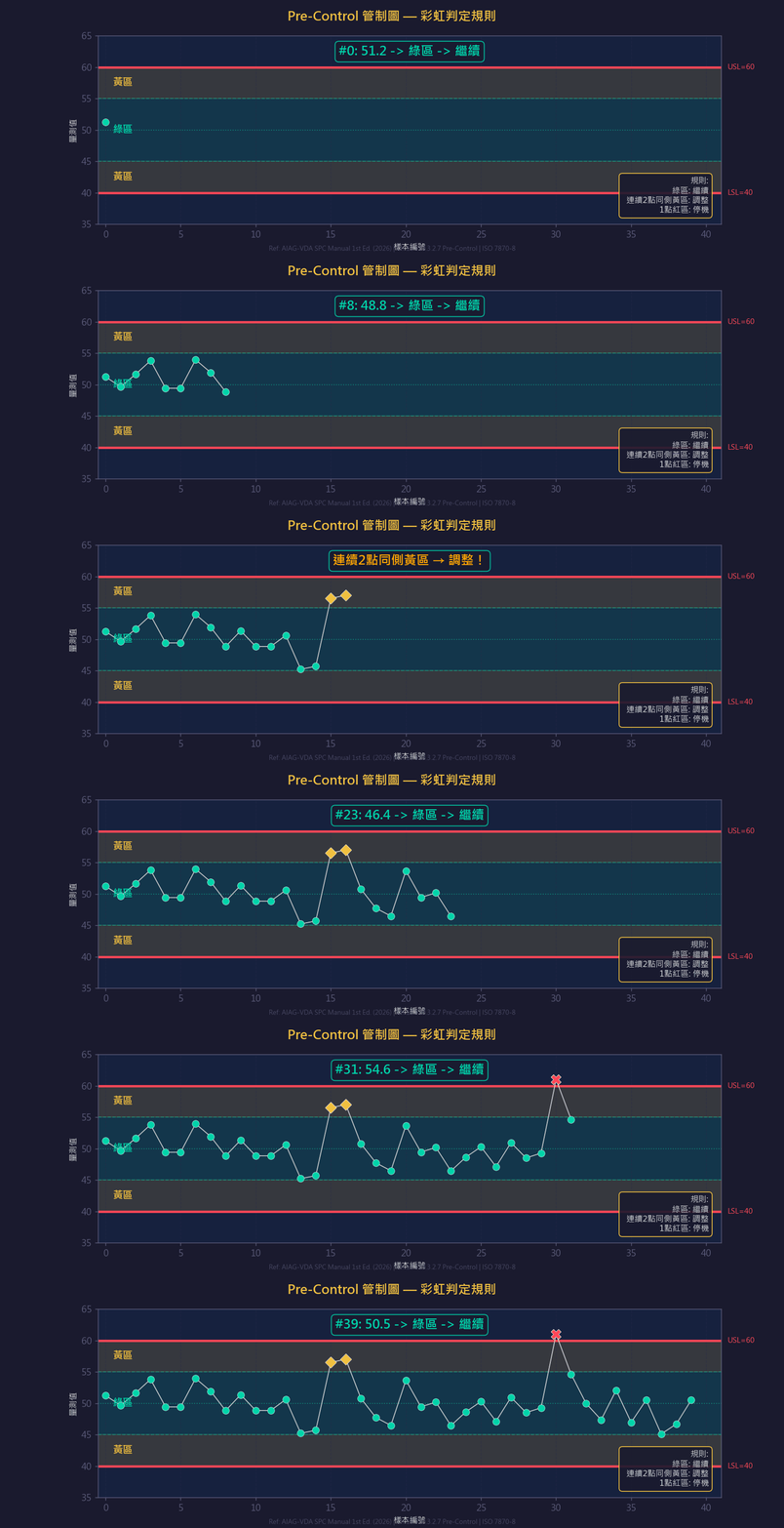
The pre-control chart is a lightweight process-monitoring tool that can quickly assess whether a process is within specification without requiring a large amount of data. It divides the specification range into three zones — green, yellow, and red:
- Green zone: the central 50% of the specification range; the process is normal
- Yellow zone: between the green zone and the specification limits; attention is needed
- Red zone: beyond the specification limits; immediate action is required
The pre-control chart is especially suitable for high-mix, low-volume (HMLV) production scenarios: at each line changeover and startup, you only need to sample 5 pieces and confirm that they all fall in the green zone to judge the process qualified and begin mass production. For a detailed pre-control chart application strategy, please see A New Quality Management Strategy Fusing the Pre-control Chart with AI.
How to Choose a Control Chart — Decision Flowchart
Faced with more than a dozen control charts, quality engineers can follow the three steps below to quickly select the most suitable chart type:
| Step | Decision Question | Option A | Option B |
|---|---|---|---|
| Step 1 | What is the data type? | Variables (continuous) → go to Step 2A |
Attributes (discrete) → go to Step 2B |
| Step 2A | What is the subgroup size? |
n = 1 → I-MR n = 2-10 → X̄-R n > 10 → X̄-S |
|
| Step 2B | How is it recorded? | Conforming/nonconforming n fixed → np n variable → p |
Number of defects unit fixed → c unit variable → u |
| Step 3 | Need to detect small shifts? |
Sustained one-directional shift → CUSUM Small bidirectional drift → EWMA Fast startup judgment → pre-control chart |
|
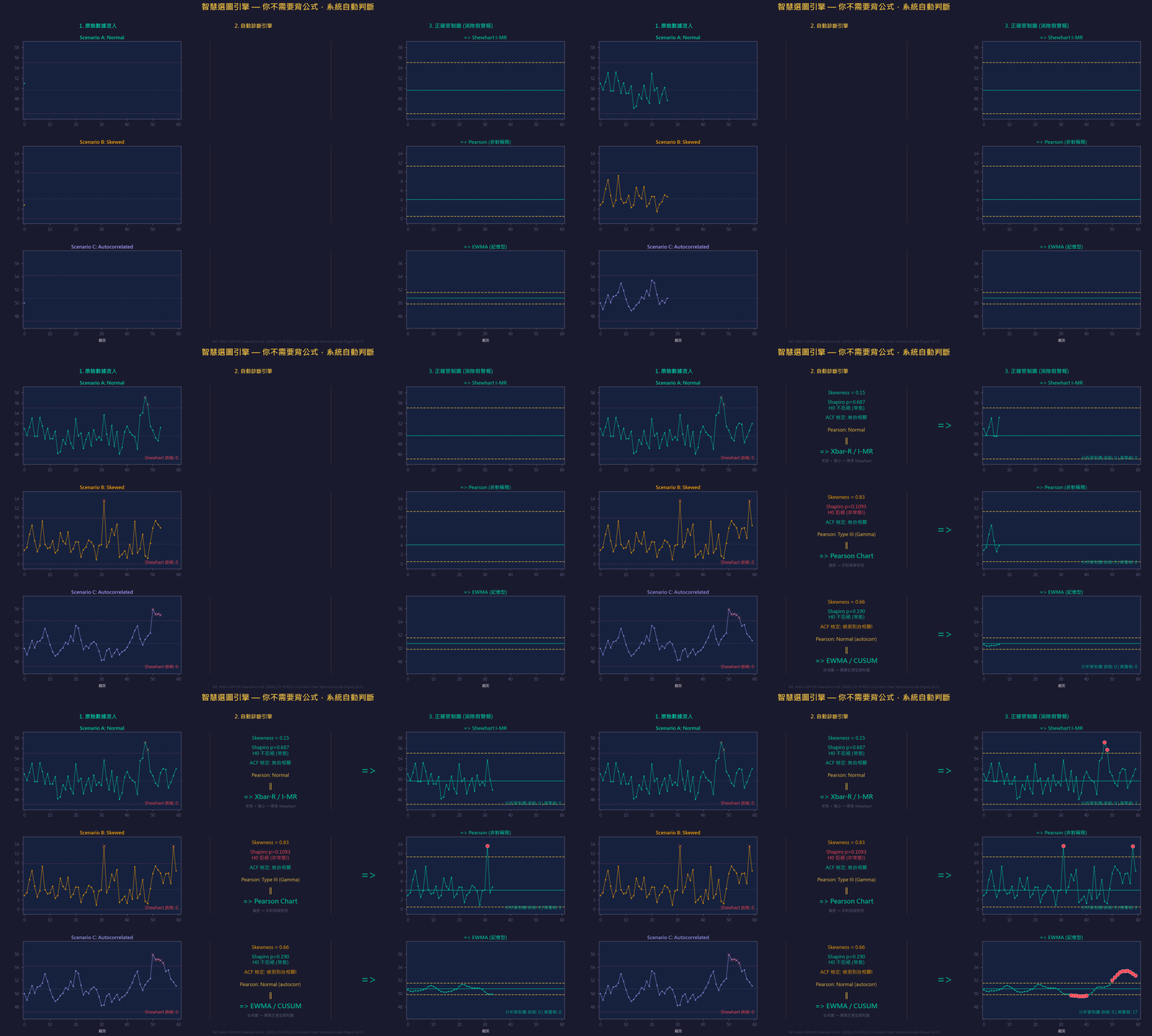
Practical recommendation: most manufacturing scenarios start with X̄-R or I-MR; if you find that the control chart cannot effectively detect a known process shift, then consider upgrading to EWMA or CUSUM. Process capability analysis can be evaluated together with the Cpk/Ppk indices.
The Digitalization Trend of Control Charts
With the advance of Industry 4.0 and smart manufacturing, the application of control charts is shifting from paper and Excel to full digitalization. Key trends in modern SPC systems include:
- Real-time SPC automated connection (Real-Time SPC): through an MDC (Machine Data Collection) system, data is automatically captured directly from measurement instruments, eliminating the delays and errors of manual entry and enabling second-level control chart updates.
- Real-time OOC alerts: when the control chart detects an OOC event, the system automatically sends an alert notification (e-mail, app push, dashboard signal light), allowing engineers to intervene at the first moment.
- AI-driven anomaly determination: combined with machine learning algorithms, it automatically identifies non-random patterns on the control chart (trends, cycles, stratification, etc.), reducing the subjectivity of manual interpretation.
- Centralized cross-site monitoring: SPC data from multiple sites is integrated into a unified platform, so management can grasp the quality status of the entire group in real time.
Lelon Electronics is a typical case of achieving cross-site real-time monitoring: through MiDFUN’s SPC + MDC system, it links its plants in Taichung (Taiwan), Suzhou, and Huizhou to build a unified quality data platform, meeting global automotive customers’ requirements for real-time SPC reports and Cpk reports.
To learn more about SPC system features and automated connection solutions, please see the MiDFUN SPC Statistical Process Management System.
Glossary Quick Reference
| Term | Definition |
|---|---|
| UCL / LCL | Upper / Lower Control Limit. Calculated based on ±3σ, representing the statistical boundary of normal process variation. |
| EWMA | Exponentially Weighted Moving Average. A control chart that weights historical data and is good at detecting small shifts. |
| CUSUM | Cumulative Sum. A control chart that progressively accumulates deviations, particularly sensitive to a sustained one-directional shift. |
| Western Electric Rules | A set of statistical rules for determining whether a control chart is out of control (such as 9 consecutive points on the same side, 6 increasing/decreasing points, etc.), also known as the Nelson Rules. |
| OOC | Out of Control. Refers to an anomalous event on the control chart that triggers a decision rule, indicating that the process may be affected by a special cause. |
| ARL | Average Run Length. Refers to the average number of data points needed between when a process shift occurs and when the control chart detects the anomaly. The lower the ARL, the faster the detection. |
| MDC | Machine Data Collection. Reads data directly from measurement equipment via interfaces such as RS232/RS485/USB/PLC, eliminating manual entry errors. |
Frequently Asked Questions (FAQ)
Q1: What types of control charts are there? How do I choose?
Control charts are mainly divided into two major categories: variables charts and attributes charts. Variables charts include X̄-R, X̄-S, and I-MR, suitable for measurable continuous data; attributes charts include p, np, c, and u, suitable for conforming/nonconforming or defect-count statistics. In addition, there are advanced control charts such as EWMA, CUSUM, and the pre-control chart. When selecting, first determine whether the data is variables or attributes data, then decide the specific chart type based on subgroup size and monitoring objective; you can refer to the decision flowchart in this article.
Q2: What is the difference between the X̄-R and I-MR control charts?
The biggest difference lies in subgroup size. X̄-R is suitable when 2-10 samples are taken each time, monitoring changes in the subgroup mean and range; I-MR is suitable when only a single data point is taken each time (subgroup size = 1), monitoring with individual values and the moving range between two adjacent points. Chemical and batch-production scenarios usually choose I-MR, while machining and assembly lines mostly use X̄-R.
Q3: Which control chart is suitable for high-mix, low-volume production?
In high-mix, low-volume (HMLV) production, because of frequent line changeovers and the small data volume of each product type, it is difficult for traditional control charts to establish stable control limits. We recommend using a pre-control chart to quickly assess the startup status, combined with EWMA or CUSUM to detect small shifts. Short-Run SPC techniques, through standardized transformation, also allow products of different specifications to share the same control chart. See the High-Mix, Low-Volume SPC Strategy for details.
Q4: What advantages does EWMA have compared with traditional control charts?
The greatest advantage of EWMA lies in its ability to detect small shifts. Traditional X̄-R control charts mainly detect large shifts of 1.5σ or more, whereas EWMA can detect small process drifts of 0.5σ to 1.5σ by adjusting the weighting parameter λ. The AIAG & VDA SPC Yellow Volume also recommends including EWMA among advanced control tools, making it especially suitable for industries such as semiconductors and chemicals that demand extremely high process stability.
Q5: Which control charts does the MiDFUN SPC system support?
The MiDFUN SPC system fully supports variables control charts (X̄-R, X̄-S, I-MR), attributes control charts (p, np, c, u), and advanced control charts (EWMA, CUSUM, pre-control chart). The system can automatically recommend the most suitable chart type based on subgroup size and data characteristics, and has built-in AIAG-VDA standard decision rules, enabling real-time OOC anomaly alerts and process capability (Cpk/Ppk) analysis. To learn more, please see the SPC product page.
Choose the right control chart and make your process quality crystal clear
The MiDFUN SPC system supports 10+ control chart types, automatic chart recommendation, and real-time OOC alerts, backed by over 30 years of quality management experience in Taiwan’s manufacturing industry.
Copyright © 2026 MiDFUN Co., Ltd. Some rights reserved
Author: Pei-Chi Chiu. First published: 2026-03-31. Type: Quality Management Column
Original link: https://www.midfun.com.tw/qc/spc-control-chart-types-selection-guide/
This work is released under the Creative Commons Attribution-NonCommercial-NoDerivatives 4.0 International License (CC BY-NC-ND 4.0). You are welcome to share it freely, provided that you credit the original author, include the original link, do not use it commercially, and do not modify the content.
Suggested citation format: Chiu, P.-C. (2026). “Complete Guide to SPC Control Chart Types.” MiDFUN Quality Management Column.
For reprint permission and content inquiries: midfun@midfun.com.tw